

Why We Turn to Spirit Animals for Insight
The idea of an animal ally appears in cultures across the world, blending folklore, psychology, and embodied wisdom into a single living metaphor. People turn to these guiding figures for insight because animals externalize traits we sense within ourselves but can’t yet name. Patterns from dreams, chance encounters outdoors, and recurring symbols in art or media often act like breadcrumbs pointing toward a personal archetype that wants attention. By observing these patterns over time, you can translate instinct into action without losing nuance.

Across history, communities looked to migratory cycles, seasonal behaviors, and survival strategies to decode character lessons. Many modern seekers resonate with spirit animals, placing these figures at the center of journaling, mindful walks, and creative practice to catalyze self-knowledge. While contemporary interest has exploded, the heartbeat of the work remains the same: listen closely, track carefully, and let the relationship evolve. A flexible attitude helps you notice subtle signals, such as repeated sightings or persistent motifs in literature and music, that gently nudge you toward discovery.

Language matters because names shape attention, and that attention illuminates archetypes. When you reflect on a guide’s traits, you begin to connect essence with action, which is why researchers in symbolism emphasize story, myth, and metaphor. Many readers want a concise bridge between symbol and application, and they look for spirit animal and meaning pairings that translate imagery into practical decisions for work, relationships, and creative goals. This integrative approach brings intuition into dialogue with daily life, transforming reflection into momentum.
Start the Test-
![]() Notice recurring animals in dreams and keep a short log for context.
Notice recurring animals in dreams and keep a short log for context. -
![]() Track outdoor encounters and add weather, mood, and timing for patterns.
Track outdoor encounters and add weather, mood, and timing for patterns. -
![]() Compare an animal’s survival strategies with your current challenges.
Compare an animal’s survival strategies with your current challenges.

Decoding Signs, Dreams, and Patterns
Some readers want quick guidance while they gradually refine their journal. Many find that consistent observation makes it easier to know your spirit animal, especially when they capture the feeling-tone of an encounter rather than just the facts. Emotional texture, such as relief, fear, or resolve, points straight to the lesson hiding in plain sight, and it keeps the process empathetic instead of purely analytical.
| Signal Type | Where It Appears | What To Record | How To Apply |
|---|---|---|---|
| Dream Encounter | Sleep narratives | Symbols, emotions, dialogues, colors | Translate feelings into next-day micro-actions |
| Synchronicity | Media, conversations, murals | Timing, frequency, situational trigger | Test one low-stakes decision aligned with the cue |
| Physical Sighting | Walks, commutes, travel | Location, weather, body sensations | Adjust pace, posture, or boundary for the day |
| Creative Impulse | Writing, drawing, music | Motif, tempo, color palette | Channel momentum into a focused 25-minute sprint |
Progress accelerates when you validate insights through action. People often journal after small experiments to see if results match their expectations, and they recalibrate accordingly. Many readers feel relieved once they can find out your spirit animal, not because the search ends, but because the relationship starts to mature. That maturity brings steadier choices, kinder self-talk, and practical courage when life asks for a leap.
Instinct Vs. Aspiration
Questions help you test resonance, especially when they are grounded in lived experience. Many people explore decision-making and values while considering your spirit animal, using that lens to compare how they act under pressure with how they aspire to respond. Journaling prompts that contrast instinct with intention can reveal which creature’s temperament feels like a trustworthy mirror, not just a flattering image. This reflective stance creates a feedback loop between symbol and behavior.
Start the Test
Applying Spirit Animal Insights
Curiosity sustains the process because it keeps you open to course-correction. A frequent inquiry arises when someone wonders how do you know your spirit animal, and the most reliable answer is repetition that converges from different channels like dreams, art, and everyday encounters. When your notes show consistent overlap, you can move from speculation to practice, letting the relationship inform boundaries, communication style, and resilience choices during real-world stress.
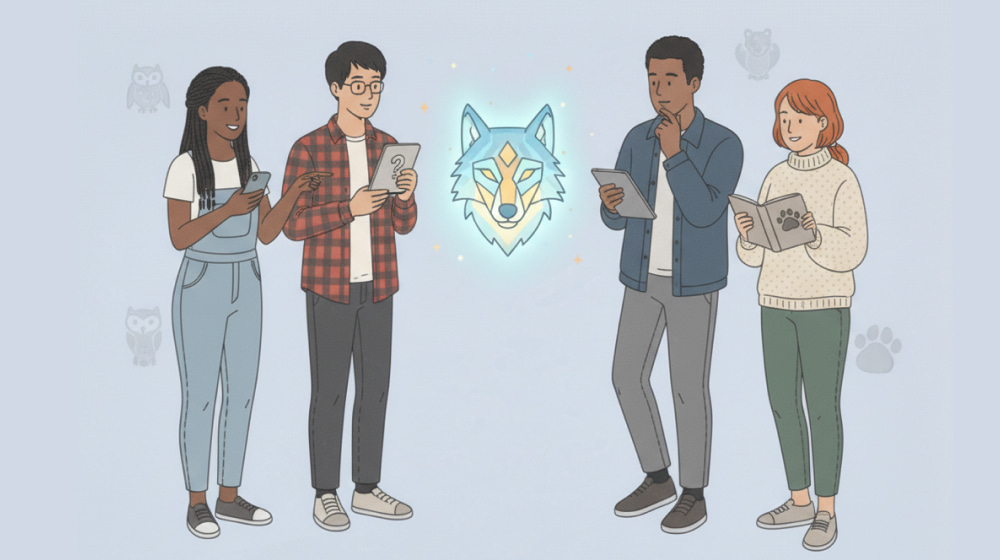
Cultural Context, Respect, and Ethical Practice
Clarity about terms also prevents confusion, especially when you encounter phrases like totem animal, which historically connects to specific Indigenous traditions and should be referenced with care. A great way to honor boundaries is to adopt neutral language such as “animal ally” or “guide” for general practice while citing sources when discussing particular rituals. This approach protects cultural specificity while keeping room for your exploration to unfold with integrity. Guidance can feel personal, especially when you experience synchronicities across seasons. Many practitioners describe relational help from spirit animal guides, noting that support often arrives as a sharpened sense of timing, a nudge to rest, or a creative spark that breaks a stalemate. Respectful practice avoids claiming authority it doesn’t hold, focuses on accountability in daily life, and welcomes ongoing study so that inspiration never outruns humility.
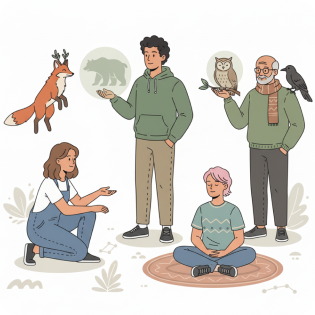
Tools and Tracking
Confidence grows when you integrate lessons from a single emblem, which is why many seekers eventually articulate spirit animal insights as a set of principles they revisit during transitions. That reference point can feel like a compass when circumstances change quickly, and it pairs well with evidence-based tools like habit tracking, calendar prompts, and reflections after difficult conversations. The result is a sustainable practice rather than a novelty that fades.
Start the Test-
![]() Set a weekly check-in to map symbols to goals and obstacles.
Set a weekly check-in to map symbols to goals and obstacles. -
![]() Create a small altar or mood board to reinforce your motif visually.
Create a small altar or mood board to reinforce your motif visually. -
![]() Pair reflection with movement so insights anchor in the body.
Pair reflection with movement so insights anchor in the body.
Transforming Spirit Animal Symbolism into Leadership
Communities multiply the impact by sharing rituals and field notes from their journeys with animal spirit totems, adding nuance to collective learning. Group circles can compare dream motifs, outdoor observations, and emotional shifts, making everyone’s data richer. When peers reflect back on what they witness, your strengths stop hiding in plain sight, and you gain momentum that turns symbolism into service, leadership, and creative contribution across contexts.

Practices and Exercises for Deepening the Relationship
When you want a structured prompt, a three-step sequence works well: invite, observe, and integrate. Many readers use a simple phrase during meditation to help them find my spirit animal, then they move into quiet observation with a curious mindset. Afterward, they translate the most vivid detail into one practical step for the next twenty-four hours, keeping the practice grounded and measurable so momentum builds steadily. Personalization increases trust because it honors your temperament. Some people prefer drawing, while others lean on voice notes or music to capture the mood. When doubts arise, reflect on how the relationship has already supported perseverance, and let that evidence reassure you about my spirit animal journey, which thrives on patience and steady experimentation. The point is to translate metaphor into care, boundaries, and creative action that you can feel in daily life.
People who enjoy reflective questions sometimes try phrasing like what spirit animal am i within a guided journaling session, and then they test the insight with a small behavioral experiment later that day. This pairing turns curiosity into data, and the feedback loop keeps your practice honest, gentle, and resilient as you grow.
Identify the Power of Your Spirit Animal Totem
Get StartedFAQ: Expert Answers to Common Questions
- How many guiding creatures can someone work with at once?Most practitioners recommend focusing on one primary relationship at a time so you can notice nuance, and then adding seasonal helpers as needed for specific projects or challenges. That cadence keeps your attention clear without diluting the practice, and it prevents symbolic overload that can blur decision-making when stress is high.
- Is this work psychological, spiritual, or both?Many people approach the practice as a bridge between depth psychology and contemplative life, and they let results speak for themselves through calmer choices and better boundaries. You can hold a symbolic lens alongside practical tools like journaling, therapy, or coaching without conflict, and the integration tends to strengthen self-trust over time.
- What if I relate to different animals in different seasons?Seasonal rotation is common, and it often reflects shifting priorities or growth edges that need fresh energy. You can honor cycles by keeping a core relationship steady while inviting short-term helpers, and that balance protects continuity while welcoming change as conditions evolve in work and home life.
- How should I start if I’m skeptical?A gentle experiment works best: log signals for two weeks, then evaluate whether patterns correlate with improved decisions or mood. Many beginners use a simple question like animal am I during reflection, not to chase certainty, but to notice which qualities repeatedly support their well-being in measurable ways.
- What’s an easy way to share the practice with friends?Invite a small circle to compare entries and run low-stakes tests together, such as adjusting a morning routine or communication style for a week. Group sessions can begin with a playful check-in, perhaps, which animal are you today, and close with outcomes to keep the conversation grounded in real results rather than abstract theory.
The Latest News
 A Deep Guide to Spirit Animal and Totemic Wisdom Identify the Power of Your Spirit Animal Totem Get Started Introduction to Totemic Connection and Purpose People across continents have long turned to symbolic creatures for guidance, resilience, and a deeper sense of belonging. The relationship is reciprocal: you offer attention an...
 - 5 January, 2026
- Identify and Work With Your Spirit Animal: Signs, Methods, and Benefits Identify the Power of Your Spirit Animal Totem Get Started What a Spirit Animal Is and Why It Matters Across cultures, the idea of an animal ally weaves myth with personal meaning. Many readers quietly ask what, in practical terms, how do you know your spirit animal signifies during...
- 2 January, 2026
- Spirit Animal Allies: A Practical, Respectful, and Insightful Guide Identify the Power of Your Spirit Animal Totem Get Started Foundations: What Animal Allies Are and Why They Matter Across cultures and eras, people have looked to the living world for wisdom, solace, and direction. The idea that the wild can mirror our inner terrain is not a fad; it...
- 1 January, 2026
Please Note
This website (yourspiritanimal.net) is not an official representative, creator or developer of this application, or product. All the copyrighted materials belong to their respective owners. All the content on this website is used for educational and informative purposes only.